
Interview with Erik Meijaard: Bridging the Gap: How Citizen Science Can Strengthen HCV Implementation
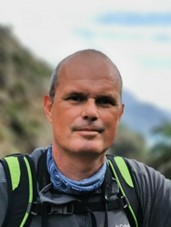
Earlier this year, Erik Meijaard—a conservation scientist best known for his work on orangutans and tropical land use, and a professor at University of Kent - published new research on citizen science. In addition to his academic role, Erik has contributed to the HCV Network (HCVN) as both an assessor and a Quality Panel Member.
To highlight his work, we spoke with Erik about how citizen science can strengthen HCV assessments, monitoring, and management.
Could you share your role and current focus, and how these connect to the HCV approach?
I was involved early in developing the HCV approach, including contributing to the first Indonesian HCV Toolkit. Between 2007 and 2009, I conducted several HCV assessments in timber concessions and plantation companies in Indonesia.
Since then, I’ve worked closely with palm oil companies, including 14 years as a biodiversity advisor to Austindo Nusantara Jaya. Through this work, I’ve seen firsthand the challenges managers face in implementing biodiversity management.
A key issue is the gap between HCV recommendations and on-the-ground implementation. Many HCV reports end up unused because estate managers often lack biodiversity expertise and struggle to integrate recommendations into operational planning and budgets. As a result, management actions are often minimal—such as installing signboards—while adaptive management rarely happens due to lack of data.
Effective biodiversity management requires quantitative data—for example, whether orangutan populations are increasing or declining. However, collecting such data is expensive, and most companies rely only on species lists, which are insufficient for management decisions.
Citizen science offers a solution. Our multi-year pilots show that company workers and smallholders can collect large volumes of wildlife data at low cost. This not only generates valuable datasets but also builds strong engagement, as thousands of workers contribute to biodiversity monitoring.
How can citizen science help address gaps in biodiversity data for HCV monitoring?
Citizen science enables continuous, large-scale data collection. In one project with Austindo Nusantara Jaya, nearly 200,000 wildlife observations were recorded across hundreds of species, contributed by around 4,000 workers.
Using a mobile app, workers submit observations that are stored in a centralized database, enabling near real-time analysis. Companies can then answer key questions such as:
- Where are species most frequently found?
- Are species distributions increasing or decreasing?
- How do pest populations respond to natural predators?
Traditionally, such analyses rely on external experts visiting once a year. Citizen science allows companies to access up-to-date insights at any time, supporting adaptive management.
Which HCV types are best suited for citizen science monitoring?
So far, we’ve focused on wildlife, particularly threatened species and agricultural pests. However, there is strong potential to expand into cultural values.
For example, communities can record culturally significant sites or features—such as sacred trees or burial grounds—using mobile apps with geotagging. Frequently reported locations naturally emerge as high-value areas.
Citizen science also has potential for ecological monitoring, such as water quality or soil biodiversity. The key is simplicity: it works best for observable and easily identifiable features like birds, mammals, or landscape elements. Highly specialized studies—such as identifying rare insects requiring expert analysis—remain better suited to specialists.
What are the biggest weaknesses in current biodiversity monitoring, and how can citizen science help?
The biggest weakness is the lack of quantitative data needed to understand trends. It’s not enough to map HCV areas and label them—effective management requires knowing whether conditions are improving or deteriorating.
Take orangutans as an example. Research shows they use broader landscapes, including oil palm areas, not just forest patches. Managing them effectively requires landscape-level data, which is difficult to obtain through traditional methods.
Citizen science provides a practical way to gather this data by involving everyone working in the landscape.
How can citizen science improve assessment of HCV 5 and 6 (community needs and cultural values)?
We are developing approaches for communities to record ecological and cultural resource use—for example, documenting medicinal plants, their locations, and uses via mobile apps.
This creates a spatial database of landscape use that evolves over time. Frequently reported locations gain higher importance, reflecting real community values.
Traditional HCV assessments rely on limited consultations, which capture only a snapshot of local knowledge. Citizen science enables continuous, participatory data collection, providing a much richer and more dynamic understanding of HCV 5 and 6.
What are key lessons and common pitfalls in implementing citizen science?
Citizen science has the potential to partially replace traditional HCV assessments. Instead of relying solely on short expert visits, communities could collect data over several months, forming a stronger foundation for assessments.
However, implementation takes time. Key challenges include:
- Ensuring participants understand the purpose and benefits
- Providing clear incentives
- Offering feedback on how data is used
- Building familiarity with tools and processes
Pilot projects are essential to refine these systems and ensure they align with HCV frameworks while remaining cost-effective.
What would you like to see in the future of HCV implementation?
Citizen science can significantly improve integration across HCV assessment, monitoring, and management.
Currently, these stages are often disconnected:
- Assessment by external experts
- Monitoring by specialists
- Management by companies
Citizen science bridges these gaps by involving the same stakeholders throughout the process. This leads to better data, stronger ownership, and more effective management.
The tools already exist—it’s now time to integrate citizen science fully into HCV practice.
Related Posts
Interview with Erik Meijaard: Bridging the Gap: How Citizen Science Can Strengthen HCV Implementation
Read More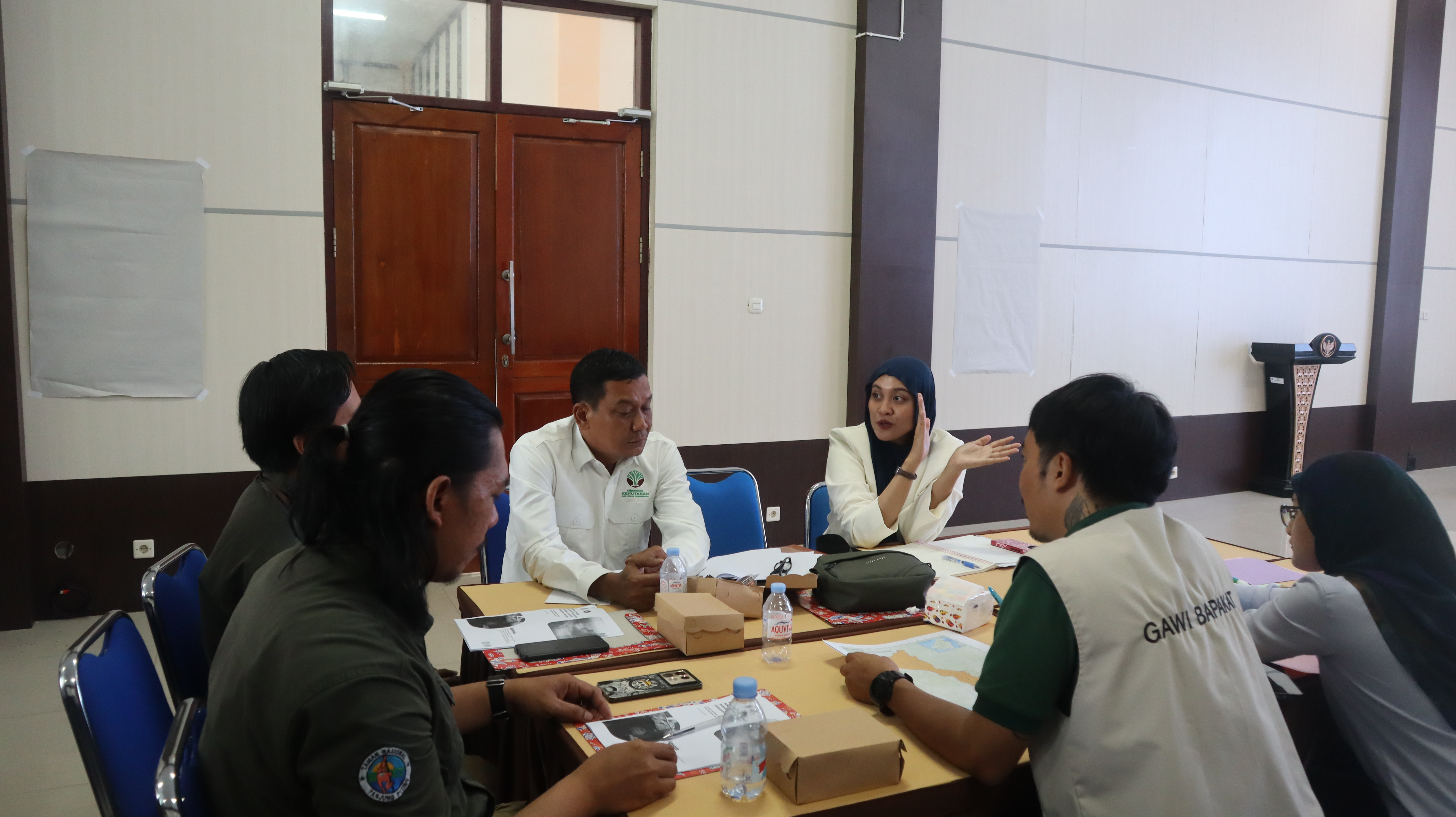
Menjembatani Teknologi dan Konservasi: Refleksi Project Manager HCV Network, Mirzha Hanifah, dari Tiga Inisiatif Lanskap di Indonesia
Read MoreBridging Technology and Conservation: Reflections from HCV Network’s Project Manager Mirzha Hanifah on her work in three landscape initiatives in Indonesia
Read MoreOur Partnerships
Alongside many global initiatives, our work with partners promotes practices that help meet the global Sustainable Development Goalsand build a greener, fairer, better world by 2030.
Femexpalma
In April 2022, FEMEXPALMA and the HCV Network signed a 5-year cooperation agreement to promote sustainable production of palm oil in Mexico. FEMEXPALMA is a Mexican independent entity that represents palm production at the national level and promotes the increase of productivity in a sustainable way.
With global markets becoming stricter, for Mexican producers to be able to export to key markets such as the European Union, they must meet strict requirements such as certification by the Roundtable on Sustainable Palm Oil (RSPO). To be certified by RSPO, the HCV Approach must be applied prior to the establishment of any new oil palm plantations. With this cooperation agreement, the HCV Network will support FEMEXPALMA’s members and allies to design better strategies to identify, manage and monitor High Conservation Values and support smallholders to achieve RSPO certification and implement good agricultural practices.

High Carbon Stock Approach
The High Carbon Stock Approach (HCSA) is an integrated conservation land use planning tool to distinguish forest areas in the humid tropics for conservation, while ensuring local peoples’ rights and livelihoods are respected.
In September 2020, HCV Network and the HCSA Steering Group signed a five-year Memorandum of Understanding (MoU) to strengthen their collaboration to conserve forests and uphold community rights in tropical forests. The HCS and HCV Approaches are cornerstones of corporate no deforestation and conservation commitments, and increasingly for actors working at different scales. The collaboration aims to further support effective implementation of these commitments through increased uptake of the HCV and HCS tools.
Through this MoU, HCSA and HCVRN are pursuing two main strategic goals:
- Strive to promote the application of the two approaches in tropical moist forest landscapes and explore further opportunities for collaboration.
- Ensure that, where the two approaches are applied together, this happens in a coordinated, robust, credible, and efficient manner, so that HCS forests and HCVs are conserved, and local peoples’ rights are respected.

World Benchmarking Alliance
From May 2022, the HCV Network is an ally at the World Benchmarking Alliance (WBA). WBA is building a diverse and inclusive movement of global actors committed to using benchmarks to incentivise, measure, and monitor corporate performance on the SDGs, and will assess and rank the performance of 2,000 of the world’s most influential companies against seven systems of transformation by 2023.
The scope of WBA’s circular transformation was expanded to cover nature and biodiversity as recognition of the need for greater understanding, transparency and accountability of business impact on our environment. The WBA Nature Benchmark was launched in April 2022, which will be used to rank keystone companies on their efforts to protect our environment and its biodiversity. As HCV Areas are recognised as key areas important for biodiversity, companies that publicly disclose their actions to identify and protect HCVs will contribute to the assessment of their performance against the benchmark.
Taskforce on Nature-related Financial Disclosures - TNFD
The Taskforce on Nature-related Financial Disclosures (TNFD) is a global, market-led initiative, established with the mission to develop and deliver a risk management and disclosure framework for organizations to report and act on evolving nature-related risks, with the aim of supporting a shift in global financial flows away from nature-negative outcomes and toward nature-positive outcomes.
In April 2022, the HCV Network joined the TNFD Forum. The TNFD Forum, composed of over 400 members, is a world-wide and multi-disciplinary consultative network of institutional supporters who share the vision and mission of the task force.
By participating in the Forum, the HCV Network contributes to the work and mission of the taskforce and help co-create the TNFD Framework which aims to provide recommendations and advice on nature-related risks and opportunities relevant to a wide range of market participants, including investors, analysts, corporate executives and boards, regulators, stock exchanges and accounting firms.
Aquaculture Stewardship Council
The Aquaculture Stewardship Council (ASC) is the world’s leading certification scheme for farmed seafood – known as aquaculture – and the ASC label only appears on food from farms that have been independently assessed and certified as being environmentally and socially responsible. In 2021, the HCV Network and ASC formalised their collaboration through a Memorandum of Understanding (MoU). The MoU represents the first step in a fruitful relationship aimed at conserving HCVs in aquaculture. Although, existing guidance on the use of the HCV Approach currently focuses mainly on forestry and agriculture, the HCV Approach is however generic, and in principle also applicable to aquatic production systems. Through this MoU, this is recognised by the Aquaculture Stewardship Council (ASC) in their ASC farm standard, in which the protection of HCV areas is mentioned in the context of expansion
Accountability Framework Initiative
The Accountability Framework initiative (AFi) is a collaborative effort to build and scale up ethical supply chains for agricultural and forestry products. Led by a diverse global coalition of environmental and human rights organizations, the AFi works to create a “new normal” where commodity production and trade are fully protective of natural ecosystems and human rights. To pursue this goal, the coalition supports companies and other stakeholders in setting strong supply chain goals, taking effective action, and tracking progress to create clear accountability and incentivize rapid improvement. In July 2022, the HCV Network joined AFi as a Supporting Partner. AFi Supporting Partners extend the reach and positive impact of the AFi by promoting use of the Accountability Framework by companies, industry groups, financial institutions, governments, and other sustainability initiatives, both globally and in commodity-producing countries.
Biodiversity Credit Alliance
The Biodiversity Credit Alliance (BCA) is a global multi-disciplinary advisory group formed in late 2022. Its mission is to bring clarity and guidance on the formulation of a credible and scalable biodiversity credit market under global biodiversity credit principles. Under these principles, the BCA seeks to mobilize financial flows towards biodiversity custodians while recognising local knowledge and contexts.
The HCVN joined the BCA Forum in August 2023 to learn more from the many organizations already coming together to find effective pathways to opening up credit-based approaches, and how to contribute our knowledge and experience of years of working in a practical way, often with global sustainability standards and their certified producers, to protect what matters most to nature and people.
.webp)
Nature Positive Forum
The Nature Positive Initiative is a group of stakeholders coming together to find ways to unlock success and achieve Nature Positive - a global societal goal defined as ‘halt and reverse nature loss by 2030 on a 2020 baseline, and achieve full recovery by 2050’, in line with the mission of the Kunming-Montreal Global Biodiversity Framework.
Core work includes preserving the integrity of ‘Nature Positive’ as a measurable 2030 global goal for nature for business, government, and other stakeholders, and providing the tools and guidance necessary to allow all to contribute. The initiative also advocates for the full implementation of the Kunming-Montreal Global Biodiversity Framework by governments and other stakeholders.
IUCN
IUCN is a membership Union uniquely composed of both government and civil society organisations. It provides public, private, and non-governmental organisations with the knowledge and tools that enable human progress, economic development, and nature conservation to take place together.
Created in 1948, IUCN is now the world’s largest and most diverse environmental network, harnessing the knowledge, resources and reach of more than 1,400 Member organisations and around 15,000 experts. It is a leading provider of conservation data, assessments, and analysis. Its broad membership enables IUCN to fill the role of incubator and trusted repository of best practices, tools, and international standards.
IUCN provides a neutral space in which diverse stakeholders including governments, NGOs, scientists, businesses, local communities, indigenous peoples’ organisations, and others can work together to forge and implement solutions to environmental challenges and achieve sustainable development.
Working with many partners and supporters, IUCN implements a large and diverse portfolio of conservation projects worldwide. Combining the latest science with the traditional knowledge of local communities, these projects work to reverse habitat loss, restore ecosystems, and improve people’s well-being.

Get Involved
Our Mission as a network is to provide practical tools to conserve nature and benefit people, linking local actions with global sustainability targets.
We welcome the participation of organisations that share our vision and mission to protect and enhance High ConservationValues and the vital services they provide for people and nature. By collaborating with the Network, your organisation can contribute to safeguarding HCVs while gaining valuable insights and connections that support your sustainability goals.
We are seeking collaborative partners to help expand and enhance our work, as well as talented professionals who can join the growing Secretariat team, and for professionals who can contribute to the credible identification of High Conservation Values globally.
Join us in securing the world’s HCVs and shaping a sustainable future.